

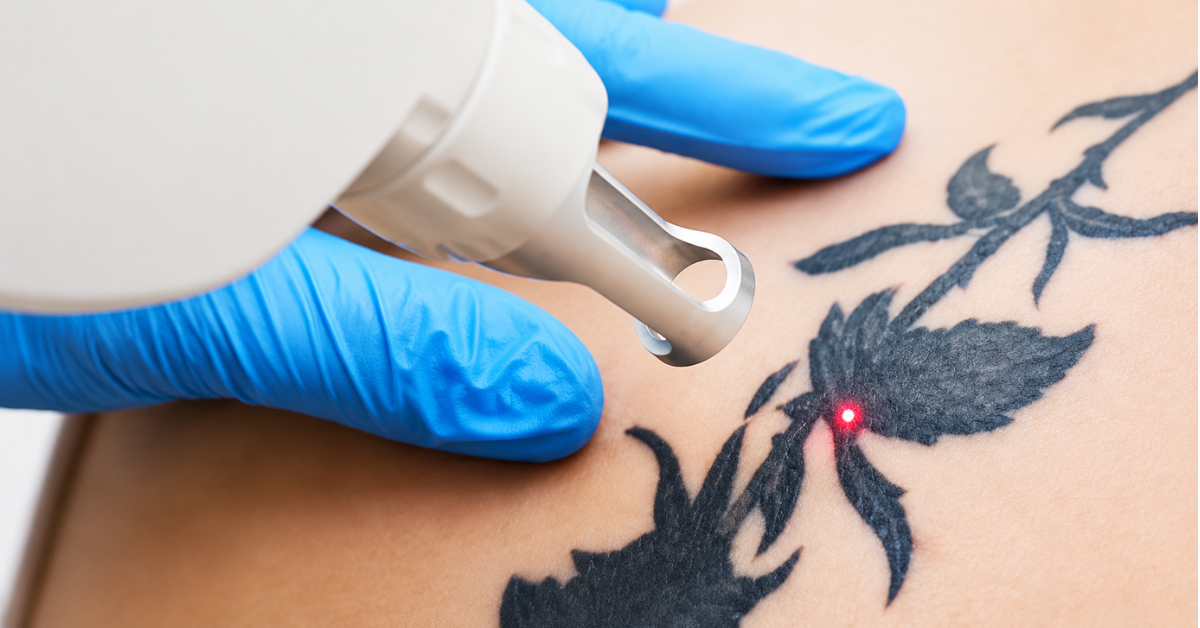
How to Choose the Right Tattoo Removal Laser for Your Clinic
Tattoo removal has become an increasingly important service for aesthetic clinics, dermatology practices and beauty centres. But achieving reliable results depends heavily on the technology behind the treatment.
Choosing a tattoo removal laser is not simply about selecting the newest or most powerful device. Different tattoo colours, skin types and pigment depths respond differently to laser energy. For clinics considering adding tattoo removal to their services, understanding wavelengths, pulse duration and versatility is essential.
In this guide, we look at the key factors to consider when choosing a tattoo removal laser and why picosecond technology such as Candela PicoWay® can help clinics treat a broader range of patients and indications.
How Does Laser Tattoo Removal Work?
Tattoo ink sits within the dermis, where pigment particles are too large for the body to remove efficiently on its own.
Laser tattoo removal works by delivering targeted energy into these pigment particles. The particles absorb the energy and break into much smaller fragments, which can then gradually be cleared by the body’s natural processes.
However, not every tattoo responds in the same way.
Several factors can influence treatment, including:
- tattoo colour
- type of pigment
- depth and density of the ink
- professional versus amateur tattoos
- age of the tattoo
- patient’s skin type
- previous tattoo removal treatments
This is why the technology and wavelengths available on a laser platform matter so much.
Why Wavelength Matters in Tattoo Removal
One of the most important factors when choosing a tattoo removal laser is its wavelength range.
Different tattoo pigments absorb different wavelengths of light. A laser that works effectively on black ink, for example, may not be the ideal choice for green, blue or red pigments.
Generally, darker colours such as black and dark blue respond well to longer wavelengths, while colours such as red, orange and yellow respond better to shorter wavelengths. Resistant blue and green pigments often require additional wavelength options.
For clinics, this means that broader wavelength coverage can significantly expand the types of tattoos they are able to treat.
A patient may also have several colours within the same tattoo. In these cases, relying on a single wavelength can limit the ability to target the complete tattoo effectively.
Skin Type Is Equally Important
Tattoo colour is only part of the equation.
Melanin in the skin can also absorb laser energy. This becomes particularly important when treating darker skin tones, where there is less contrast between the tattoo pigment and the surrounding skin.
Wavelength selection therefore needs to consider both the ink and the patient’s Fitzpatrick skin type.
Longer wavelengths such as 1064 nm have lower melanin absorption than shorter wavelengths and can therefore play an important role when treating darker skin types.
For clinics serving a diverse patient population, choosing a platform with multiple wavelength options provides greater flexibility when developing individual treatment protocols.
What Should Your Clinic Consider Before Investing?
Before choosing a tattoo removal laser, consider the type of service you want to build rather than looking at specifications alone.
1. What Types of Tattoos Will You Treat?
If you expect to treat mainly black tattoos, your wavelength requirements may be relatively straightforward.
If your clinic wants to accept multicoloured tattoos containing blue, green, red, orange and other pigments, broader wavelength coverage becomes much more important.
2. Who Are Your Patients?
Consider the range of skin types represented within your patient population.
A clinic treating patients across multiple Fitzpatrick skin types needs technology that provides appropriate wavelength options and allows practitioners to adapt treatment parameters accordingly.
3. Do You Want to Treat More Than Tattoos?
A laser platform represents a significant investment, so versatility matters.
Technology capable of addressing additional aesthetic indications can potentially be used across several areas of the clinic rather than being dedicated exclusively to tattoo removal.
For example, PicoWay® can be used not only for tattoo removal but also for indications including benign pigmented lesions, acne scars and wrinkles.
4. What Support Will You Receive?
The laser itself is only one part of the investment.
Training, technical support, maintenance and access to appropriate expertise are also important when introducing advanced laser technology into a practice.
Working with an experienced technology partner helps ensure that your team receives support throughout the lifetime of the system.
Why Consider Candela PicoWay® for Tattoo Removal?
Candela PicoWay® is a picosecond laser platform designed for tattoo removal and a range of aesthetic skin treatments.
One of its major advantages for tattoo removal is its four-wavelength configuration:
- 532 nm – targets colours including red, yellow and orange
- 730 nm – designed to address challenging blue and green pigments
- 785 nm – another option for blue and green tattoo inks
- 1064 nm – targets darker pigments and provides treatment options across a broad range of skin types
Having multiple wavelengths within one platform allows practitioners to approach complex and multicoloured tattoos with greater flexibility.
PicoWay’s ultra-short picosecond pulses also create a predominantly photoacoustic effect, breaking pigment particles into smaller fragments while minimising unnecessary thermal impact on surrounding tissue.
More Than a Tattoo Removal Platform
For clinics evaluating return on investment, PicoWay® also offers applications beyond tattoo removal.
Depending on the indication and treatment configuration, the platform can be used for concerns such as:
- benign pigmented lesions
- acne scars
- wrinkles
- skin irregularities
This versatility can help clinics expand their treatment portfolio without investing in a device dedicated to only one service.
A clinic may initially invest in the platform because of demand for tattoo removal while also gaining technology that can support additional aesthetic treatments.
Choosing Technology Around Your Patients
There is no single tattoo removal treatment protocol suitable for every patient or every tattoo.
Ink colour, pigment depth, tattoo density, skin type and previous treatments all influence how a tattoo should be approached. The right laser platform therefore needs to provide practitioners with enough flexibility to adapt treatment to the individual patient.
For clinics planning to offer advanced tattoo removal, wavelength coverage, pulse duration, versatility and professional support should all form part of the purchasing decision.
Candela PicoWay® combines picosecond technology with multiple wavelengths, giving clinics a versatile platform for treating a broad range of tattoo colours while also expanding into additional aesthetic indications.
Discover PicoWay® with Crystal Medical
At Crystal Medical, we help aesthetic clinics and medical professionals in Cyprus integrate advanced Candela laser technology into their practices.
From selecting the appropriate system to installation, training and ongoing technical support, our team can help you understand whether PicoWay® is the right fit for your clinic and your patients.
Interested in introducing advanced tattoo removal to your practice? Contact Crystal Medical to learn more about Candela PicoWay® and discover how the technology can expand your clinic’s treatment portfolio.
Treatment suitability, parameters and expected results should always be determined by an appropriately qualified professional. Individual results may vary.