

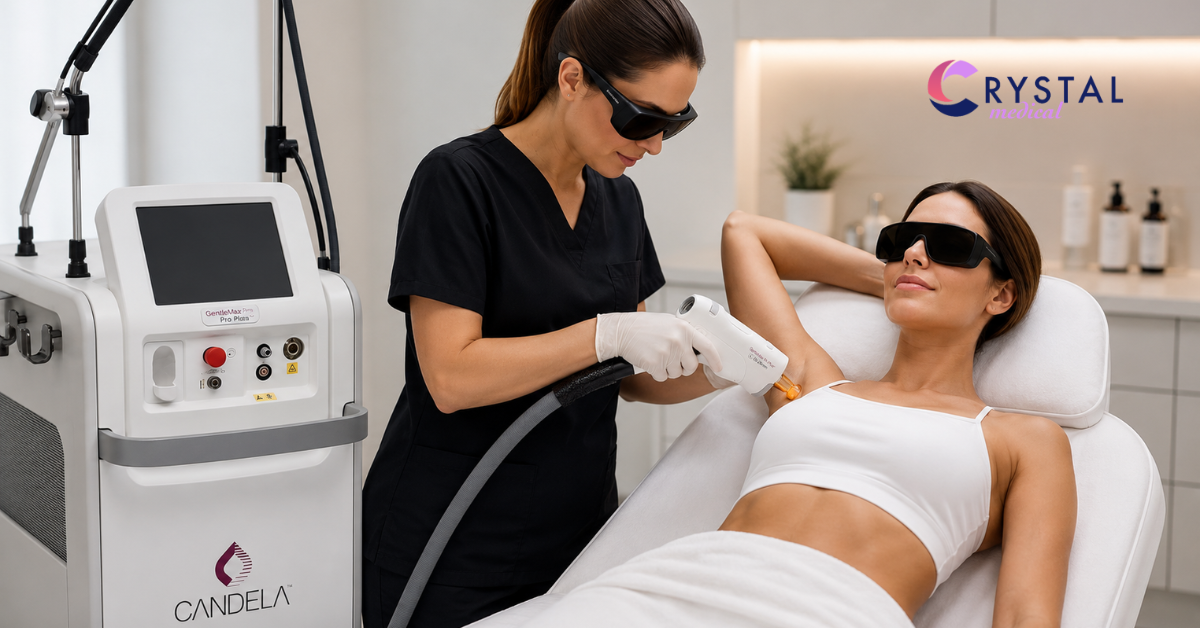
A Deep Dive into Safety Protocols for Laser Hair Removal Technicians
Laser Hair Removal Safety is the foundation of every successful laser hair removal treatment. While patients often focus on the results, safe and effective treatments depend on much more than advanced technology. Skilled technicians play a vital role in protecting patients, selecting the right treatment settings, and following proven clinical protocols.
As laser hair removal continues to grow in popularity, clinics must maintain high safety standards at every stage of the patient journey. From the initial consultation to post-treatment care, every decision influences both patient wellbeing and treatment outcomes. By prioritising Laser Hair Removal Safety, clinics can minimise risks, improve patient confidence, and deliver consistently excellent results.
Start with a Thorough Patient Consultation
Every safe treatment begins with a detailed consultation. Before using the laser, technicians should gather enough information to determine whether the patient is a suitable candidate for treatment.
A complete consultation includes reviewing the patient’s medical history, current medications, previous aesthetic procedures, and recent sun exposure. Technicians should also identify any skin conditions, active infections, or photosensitising medications that could increase treatment risks. Assessing the patient’s Fitzpatrick skin type is equally important because it helps guide the selection of appropriate treatment settings.
This process allows technicians to personalise every treatment while reducing the likelihood of complications.
Prioritise Eye Protection
Eye protection is one of the most important aspects of Laser Hair Removal Safety. Laser energy can permanently damage the eyes if patients or practitioners do not wear the correct protective eyewear.
Everyone inside the treatment room should wear wavelength-specific laser safety glasses that match the laser system in use. Technicians should inspect protective eyewear regularly and replace damaged lenses immediately. Taking these simple precautions protects everyone involved and helps maintain a safe clinical environment.
Keep Equipment in Excellent Condition
Regular equipment maintenance is essential for safe and reliable treatments. Even the most advanced laser systems require routine servicing to perform at their best.
Clinics should follow the manufacturer’s maintenance schedule and complete daily equipment checks before treating patients. Technicians should confirm that the handpiece is clean, the cooling system functions correctly, and all safety features operate as expected. They should also verify that the emergency stop button works properly before beginning treatments.
Well-maintained equipment delivers more consistent results and reduces the risk of unexpected technical issues.
Select the Right Treatment Parameters
No two patients are exactly alike. For that reason, technicians should adjust treatment settings according to each patient’s individual characteristics.
Skin type, hair colour, hair thickness, treatment area, and previous treatment response all influence parameter selection. Choosing settings that are too aggressive can increase the risk of burns, blistering, or pigmentation changes. Conservative settings may reduce treatment effectiveness. Clinical experience and careful assessment help technicians find the right balance between safety and results.
When treating new patients or higher-risk skin types, performing a small test spot can provide valuable information before completing the full treatment.
Prepare the Skin Correctly
Proper skin preparation contributes significantly to treatment safety. Patients should arrive with clean skin that is free from makeup, sunscreen, lotions, deodorants, or other cosmetic products.
Technicians should also remind patients to shave the treatment area before their appointment. However, they should avoid waxing, threading, or plucking because these methods remove the hair follicle that the laser targets. Advising patients to avoid excessive sun exposure before treatment also helps reduce the risk of unwanted skin reactions.
Following these simple preparation steps allows the laser to work more efficiently and safely.
Monitor the Patient Throughout the Procedure
Patient safety remains a priority throughout the entire treatment. Technicians should observe the patient’s skin closely and encourage open communication during every session.
Mild redness and slight perifollicular swelling are normal responses after laser treatment. However, excessive pain, unexpected skin whitening, blister formation, or unusual reactions require immediate attention. If necessary, technicians should stop treatment and adjust the laser settings before continuing.
Continuous monitoring allows practitioners to respond quickly and prevent minor concerns from becoming more serious complications.
Maintain High Hygiene Standards
Although laser hair removal is a non-invasive procedure, clinics should never overlook infection control. Maintaining excellent hygiene protects both patients and practitioners while creating a professional treatment environment.
Technicians should clean treatment surfaces and laser handpieces after every appointment. They should follow the manufacturer’s cleaning recommendations and perform proper hand hygiene before and after every treatment. Using disposable consumables where appropriate provides another layer of protection against cross-contamination.
Patients notice these details, and strong hygiene practices help build confidence in the clinic.
Provide Clear Aftercare Instructions
Patient care continues after the treatment ends. Clear aftercare instructions help patients recover comfortably while reducing the risk of unnecessary complications.
Technicians should explain how to protect treated skin from sun exposure and encourage patients to use broad-spectrum sunscreen daily. Patients should also avoid hot baths, saunas, and intense exercise for the first few days if the skin remains sensitive. Gentle skincare products can help soothe temporary redness, while harsh exfoliants and active ingredients should be avoided until the skin has fully recovered.
Patients should also know which reactions are normal and when they should contact the clinic for further advice.
Continue Learning and Developing Skills
Laser technology continues to evolve, and so do clinical best practices. Ongoing education helps technicians stay up to date with the latest treatment protocols, device features, and safety recommendations.
Regular training also improves confidence when treating different skin types and more complex cases. Clinics that invest in professional development often achieve more consistent outcomes while maintaining high standards of patient care.
Advanced Technology Supports Safe Treatments
Well-trained technicians remain the most important part of every safe treatment, but advanced technology provides valuable support. Premium laser platforms help practitioners deliver consistent treatments while improving patient comfort.
Candela laser systems combine clinically proven wavelengths with precise energy delivery and integrated Dynamic Cooling Device™ (DCD™) technology. These features help protect the skin while allowing practitioners to customise treatments for different skin and hair types. When clinics combine advanced technology with experienced technicians and well-established safety protocols, patients benefit from safe, effective, and predictable results.
Final Thoughts
Laser Hair Removal Safety should remain the highest priority during every stage of treatment. Careful patient consultations, correct parameter selection, proper equipment maintenance, strict hygiene, and continuous education all contribute to safer treatments and better patient outcomes.
At Crystal Medical, we believe outstanding clinical results start with both expert knowledge and trusted technology. As the official distributor of Candela laser systems in Cyprus, we support aesthetic professionals with industry-leading devices, comprehensive training, and ongoing clinical guidance that helps clinics deliver safe, confident, and effective laser treatments every day.