

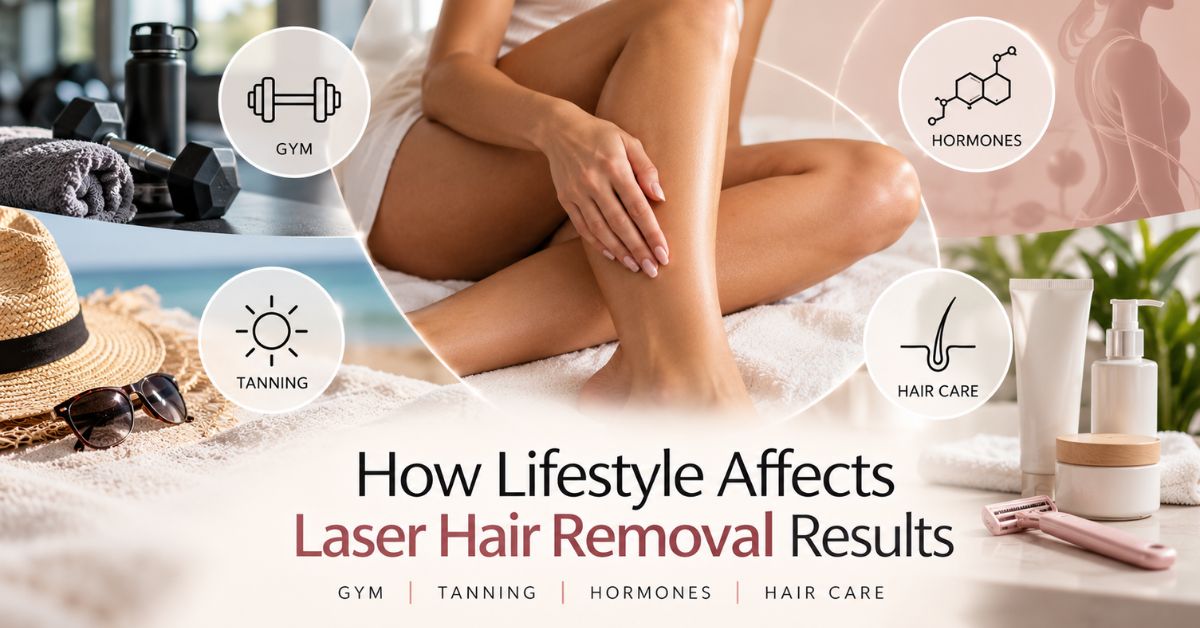
Laser Hair Removal Results: How Lifestyle Affects Them
Laser hair removal results depend on more than advanced technology and professional expertise. Everyday lifestyle habits, including exercise, sun exposure, hormonal changes, and skincare routines, can influence treatment effectiveness, skin comfort, and long-term outcomes.
From gym routines and sun exposure to hormonal changes and hair removal habits, several lifestyle factors can affect how the skin responds to laser treatments.
Understanding these factors helps clients prepare for their appointments, minimize unwanted reactions, and get the most out of their treatment plan.
In this article, we explore how lifestyle affects laser hair removal results and share practical tips that aesthetic professionals can pass on to their clients.
1. Exercise and Gym Habits: Does Working Out Affect Laser Hair Removal?
Regular exercise is an important part of a healthy lifestyle, but timing matters when it comes to laser hair removal.
Laser treatments deliver energy to hair follicles, creating heat that damages the structures responsible for hair growth. Following treatment, the skin may temporarily become red, warm, or sensitive.
Why Exercise Immediately After Treatment May Be a Problem
Intense workouts increase body temperature and stimulate sweating. When combined with friction from tight gym clothing, these factors can aggravate recently treated skin.
Potential reactions include:
- Increased redness and irritation
- Temporary discomfort or itching
- Follicular irritation
- Greater sensitivity in areas exposed to friction, such as the bikini line or underarms
Practical Tips for Clients
- Avoid intense workouts for approximately 24 hours after treatment, or longer if the skin remains irritated.
- Choose loose, breathable clothing after your appointment.
- Avoid hot yoga, saunas, steam rooms, and other activities that significantly increase body temperature immediately after treatment.
- Resume your normal exercise routine once the skin has settled and according to your practitioner’s recommendations.
For clinics: Providing clear post-treatment exercise guidelines can improve client comfort and reduce avoidable irritation.
2. Tanning and Sun Exposure: Why Skin Protection Matters
Sun exposure is one of the most important lifestyle factors to consider before and after laser hair removal.
Laser hair removal systems target melanin, the pigment found in hair. However, melanin is also present in the skin.
When skin becomes tanned, its increased pigmentation can affect how laser energy is absorbed, potentially increasing the risk of unwanted skin reactions.
Can You Have Laser Hair Removal on Tanned Skin?
It depends on the individual’s skin type, degree of tanning, laser technology, and treatment settings.
Recently tanned or sunburned skin may be more vulnerable to complications such as:
- Burns or blistering
- Hyperpigmentation (dark spots)
- Hypopigmentation (lighter patches)
- Increased skin sensitivity
Advanced laser platforms, including the Candela GentleMax Pro Plus, offer different wavelengths that allow trained practitioners to treat a wide range of skin types. However, appropriate technology does not eliminate the risks associated with recent tanning.
Practical Tips for Clients
- Avoid intentional tanning and tanning beds before and during your treatment course.
- Protect treated areas from excessive sun exposure.
- Use broad-spectrum SPF 30–50+ on exposed skin and reapply as directed.
- Inform your practitioner about recent holidays, sunburn, or changes in skin color.
- Avoid applying self-tanning products before treatment, following your clinic’s preparation instructions.
For clinics: Assessing recent sun exposure and changes in skin pigmentation before each appointment is essential for selecting appropriate treatment parameters.
3. Hormonal Changes: Why Hair Growth Is Not Always Predictable
Hormones play a significant role in hair growth. This means that even when laser treatments are performed correctly, hormonal changes can influence long-term results.
Laser hair removal works best on hair follicles containing sufficient pigment, particularly during their active growth phase.
However, hormonal fluctuations can stimulate new hair growth or affect existing hair follicles over time.
Common Hormonal Factors That Can Influence Results
Polycystic Ovary Syndrome (PCOS)
PCOS can be associated with elevated androgen activity, which may stimulate excessive facial or body hair growth.
Clients with PCOS can benefit from laser hair removal, but they may require additional sessions or maintenance treatments.
Pregnancy and Postpartum Changes
Hormonal changes during pregnancy and after childbirth can alter hair growth patterns.
Laser hair removal is generally postponed during pregnancy because adequate safety data are limited, rather than because harm has been established.
Menopause
Changes in estrogen and androgen balance during menopause may contribute to increased facial hair growth in some individuals.
Hormonal Medications
Certain medications and hormonal treatments may influence hair growth patterns. Clients should inform their practitioner about relevant medications and medical changes.
Practical Tips for Clients
- Discuss hormonal conditions with your practitioner during consultation.
- Understand that maintenance sessions may be necessary.
- Keep realistic expectations, particularly when treating hormonally influenced areas such as the face.
- Consult a healthcare professional if you experience sudden or unusual hair growth.
For clinics: Understanding a client’s hormonal history supports realistic treatment planning and helps explain why results may differ between individuals.
4. Hair Removal Habits: Shaving vs. Waxing Between Sessions
One of the most common questions clients ask is whether they can shave, wax, or pluck their hair between laser appointments.
The answer matters because different hair removal methods interact with laser treatments differently.
Why Shaving Is Recommended
Shaving removes hair above the skin’s surface while leaving the follicular hair structure in place.
This allows laser energy to target pigment within the hair follicle during treatment.
Clients are commonly advised to shave the treatment area approximately 12–24 hours before their appointment, although instructions may vary depending on the clinic and laser system.
Why Waxing and Plucking Should Be Avoided
Waxing, tweezing, and threading remove hair from the follicle.
Because laser hair removal relies on pigmented hair within the follicle to absorb energy, removing that hair can reduce the effectiveness of the next session.
Practical Tips for Clients
- Shave between sessions if needed.
- Avoid waxing, tweezing, threading, and epilators during the treatment course.
- Follow your practitioner’s shaving instructions before each appointment.
- Avoid shaving immediately after treatment if your skin is irritated.
- Do not forcefully remove hairs that appear to be shedding after treatment.
For clinics: Explaining the difference between shaving and root-removal methods can help clients understand why preparation affects treatment effectiveness.
5. Skincare Products: What to Avoid Before and After Laser Hair Removal
Skincare routines can influence how comfortably the skin responds to laser treatment.
Certain products may increase irritation, especially when applied to recently treated areas.
Ingredients and Treatments That Require Extra Attention
Retinoids
Retinol, tretinoin, and other retinoids can cause dryness or irritation. Depending on the product and treatment area, practitioners may recommend temporarily pausing their use.
Exfoliating Acids
Products containing glycolic acid, salicylic acid, or other exfoliating ingredients may increase skin sensitivity.
Physical Exfoliation
Scrubs, exfoliating gloves, and aggressive brushing can irritate skin that is already recovering from laser treatment.
Fragranced Products
Perfumed lotions and deodorants may cause discomfort when applied immediately after treatment, particularly to sensitive areas.
Practical Tips for Clients
- Follow clinic-specific instructions about pausing active skincare ingredients.
- Keep treated skin clean and gently moisturized.
- Choose mild, fragrance-free skincare products.
- Avoid aggressive exfoliation until the skin has fully recovered.
- Report unusual or persistent skin reactions to your practitioner.
For clinics: Providing a simple pre- and post-treatment skincare guide can help clients avoid unnecessary irritation.
6. Treatment Consistency: Why Skipping Sessions Can Affect Results
Laser hair removal requires multiple sessions because hair follicles do not all grow at the same time.
Hair passes through several growth stages, including:
- Anagen: The active growth phase, when laser treatment is generally most effective.
- Catagen: A transitional phase when active hair growth slows.
- Telogen: A resting phase before the hair is eventually shed.
Not every follicle is in the same growth phase during a treatment session.
This is why a series of appointments is necessary to target different follicles as they enter suitable stages of growth.
What Happens When Clients Miss Appointments?
Missing a session does not necessarily reverse previous progress. However, repeated delays may extend the overall treatment course and make it more difficult to follow the intended treatment schedule.
The ideal interval between sessions depends on the treatment area, hair growth patterns, laser system, and individual response.
Practical Tips for Clients
- Follow the treatment schedule recommended by your practitioner.
- Avoid expecting complete hair removal after one or two sessions.
- Track your progress with consistent photographs if recommended.
- Discuss changes in hair growth rather than independently changing appointment intervals.
For clinics: Setting realistic expectations about treatment timelines can improve client satisfaction and encourage long-term treatment adherence.
7. Does Diet, Hydration, or Stress Affect Laser Hair Removal?
Clients sometimes wonder whether drinking more water, following a particular diet, or reducing stress will improve laser hair removal results.
While overall health is important for skin wellbeing, there is limited direct evidence that specific diets or increased water intake significantly improve laser hair removal effectiveness.
Laser treatment outcomes are more directly influenced by factors such as:
- Hair color and thickness
- Skin pigmentation
- Hormonal influences
- Laser wavelength and treatment parameters
- Hair growth cycles
- Treatment consistency
Stress can influence certain hair-related conditions and hormonal pathways, but its direct effect on laser hair removal outcomes is not well established.
Maintaining healthy habits can support general skin health, but clients should be cautious of claims that particular foods, supplements, or lifestyle changes will dramatically improve laser results.
8. How Advanced Laser Technology Supports Better Treatment Outcomes
Although lifestyle habits influence the treatment experience, the technology used by the clinic remains a critical factor.
Modern laser platforms allow practitioners to select treatment parameters based on individual skin characteristics, hair type, and treatment area.
For example, the Candela GentleMax Pro Plus combines two laser wavelengths:
- 755 nm Alexandrite: Commonly used for hair reduction in lighter skin types.
- 1064 nm Nd:YAG: Often preferred for darker skin types because of its lower relative absorption by epidermal melanin.
The platform also incorporates Dynamic Cooling Device (DCD) technology, which helps protect the epidermis and improve patient comfort during treatment.
Nevertheless, successful treatment requires more than advanced equipment. Appropriate patient assessment, practitioner training, correct settings, and consistent aftercare all contribute to safe and effective outcomes.
9. Quick Laser Hair Removal Lifestyle Checklist
| Lifestyle Factor | Recommended Practice |
|---|---|
| Gym and exercise | Avoid intense exercise for around 24 hours after treatment |
| Sun exposure | Avoid tanning and protect treated skin with sunscreen |
| Hormonal changes | Inform your practitioner about relevant conditions or changes |
| Shaving | Follow clinic instructions and shave before appointments |
| Waxing and plucking | Avoid throughout the laser treatment course |
| Skincare | Temporarily avoid irritating products as advised |
| Appointment schedule | Follow recommended treatment intervals |
| Aftercare | Keep skin cool, clean, and gently moisturized |
These are general recommendations. Individual instructions may differ according to the laser system, treatment settings, skin type, and clinical assessment.
Final Thoughts: Great Laser Hair Removal Results Start Beyond the Treatment Room
Understanding how lifestyle affects laser hair removal results can make a meaningful difference in the treatment experience.
While exercise, tanning, hormonal changes, and hair care habits do not all influence laser effectiveness in the same way, they can affect skin comfort, treatment planning, and long-term expectations.
For aesthetic clinics, educating clients about these factors is an important part of delivering professional care.
At Crystal Medical, we support aesthetic professionals in Cyprus by providing access to advanced aesthetic technologies, including Candela laser systems, along with product information and equipment guidance.
By combining high-quality technology, professional expertise, and informed client care, clinics can work toward safer treatments, consistent outcomes, and greater patient satisfaction.
Looking to enhance your clinic’s laser hair removal services?
Contact Crystal Medical to learn more about our available Candela laser systems and how they can support your aesthetic practice.