

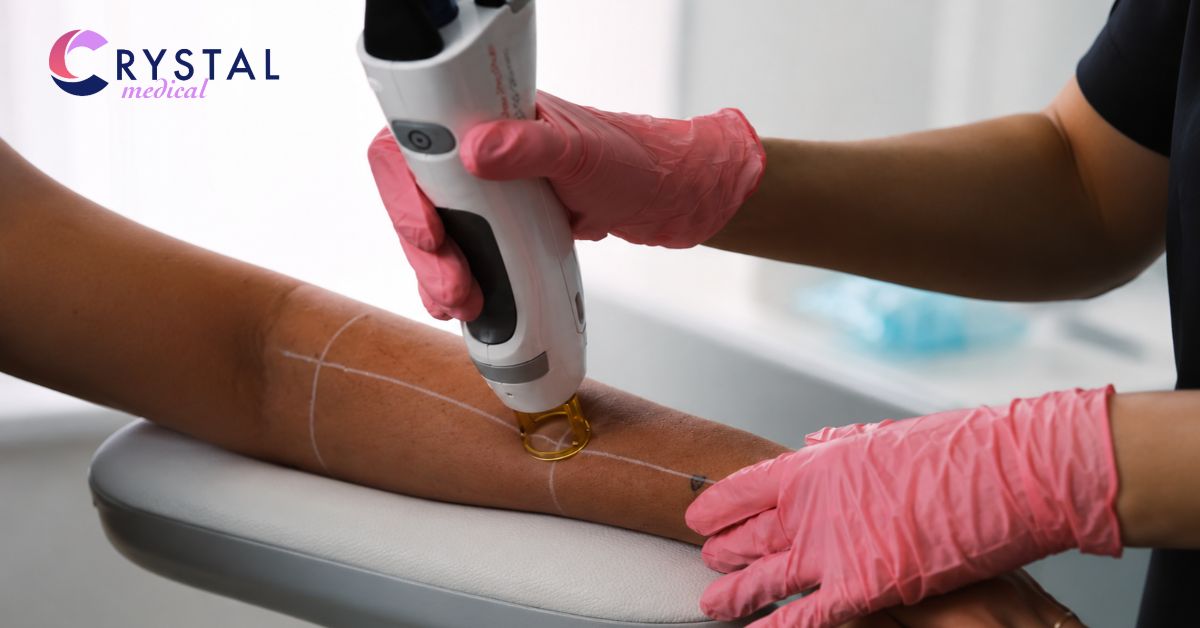
Why Laser Hair Removal Results Can Differ Between Body Areas
Laser hair removal results can vary significantly depending on the body area being treated. While some clients notice a considerable reduction in underarm hair after just a few sessions, others may require additional treatments to achieve satisfactory results on the face or arms.
These differences are influenced by several factors, including hair thickness, pigmentation, growth cycles and hormonal activity. Even when using advanced laser technology, such as Candela’s Gentle Pro series, understanding these biological differences is essential for optimising treatment outcomes and managing client expectations.
1. Hair Thickness and Pigmentation
Laser hair removal works by targeting melanin, the pigment found in hair. The absorbed laser energy is converted into heat, damaging the hair follicle and reducing its ability to produce new hair.
However, not all body hair has the same characteristics.
- Underarms and bikini area: Hair is typically darker and thicker, making it a suitable target for laser energy.
- Legs: Hair often responds well to treatment, particularly when it is dark and coarse.
- Arms: Hair may be finer and lighter, making it more challenging to treat effectively.
- Face and neck: Hair characteristics can vary considerably, with a combination of fine and coarse hairs.
Candela laser systems provide adjustable treatment parameters, allowing practitioners to tailor treatments according to individual hair characteristics and skin types.
Very light blonde, grey, white and some red hair may respond poorly due to insufficient melanin, regardless of the laser technology used.
2. Hair Growth Cycles Vary Across the Body
Hair grows in three main phases:
- Anagen: The active growth phase, during which laser hair removal is generally most effective.
- Catagen: The transitional phase, when active hair growth slows.
- Telogen: The resting phase, before the hair is eventually shed.
Not all hair follicles are in the same growth phase at the same time. Furthermore, the duration and distribution of these phases differ between body areas.
Facial hair generally has a shorter growth cycle than hair on the legs, which is one reason why treatment intervals may differ.
Scheduling sessions according to the characteristics of each treatment area helps practitioners target more follicles during their active growth phase and improve long-term hair reduction.
3. The Influence of Hormones on Laser Hair Removal
Hormonal activity plays a significant role in hair growth, particularly in areas such as the chin, upper lip, neck, chest and abdomen.
Hormonal fluctuations associated with ageing, pregnancy, menopause or conditions such as polycystic ovary syndrome (PCOS) can stimulate new hair growth.
As a result, hormonally influenced areas may require more treatment sessions or occasional maintenance treatments.
Even advanced laser systems cannot prevent hormonal changes from stimulating new hair growth. This makes client consultations and realistic expectations particularly important when treating these areas.
4. How Laser Hair Removal Results Compare Across Body Areas
| Body area | Typical response | Influencing factors |
|---|---|---|
| Underarms | Generally very good | Dark, coarse hair |
| Bikini area | Generally very good | High hair pigmentation and thickness |
| Legs | Often good | Longer hair growth cycles |
| Arms | Variable | Finer or lighter hair |
| Upper lip | Variable | Fine hair and hormonal influence |
| Chin | Variable | Hormonal activity |
| Back and chest | Variable | Hair density and hormonal influence |
These are general tendencies rather than guaranteed outcomes. Individual results depend on skin type, hair characteristics, treatment parameters and biological factors.
5. How Candela Laser Technology Helps Address These Differences
Choosing a laser system that offers treatment flexibility is particularly important for aesthetic clinics treating different body areas, skin tones and hair types.
Candela GentleLase Pro-U
The GentleLase Pro-U uses a 755 nm Alexandrite wavelength, which has high melanin absorption and is particularly suitable for lighter skin types.
It is an effective option for treating pigmented hair across various body areas, including the legs, underarms and bikini area.
Candela GentleMax Pro Plus
The GentleMax Pro Plus combines two wavelengths in a single platform:
- 755 nm Alexandrite: Particularly suitable for lighter skin types and pigmented hair.
- 1064 nm Nd:YAG: Particularly suitable for darker skin types due to its lower absorption by epidermal melanin.
The system also offers adjustable pulse durations, multiple spot sizes and advanced cooling technology. Short pulse durations provide additional flexibility when treating finer, more resistant pigmented hair, while larger spot sizes allow for efficient treatment of extensive areas such as the legs and back.
6. The Importance of Skin Protection and Cooling
Different body areas can also have different levels of sensitivity. Areas such as the upper lip, bikini line and underarms may feel more sensitive during treatment.
Candela’s Dynamic Cooling Device (DCD™) delivers a controlled burst of cryogen to help protect the epidermis and improve patient comfort during laser treatments.
This is particularly valuable for clinics looking to provide a consistent treatment experience across multiple body areas.
However, cooling technology does not replace the need for appropriate patient assessment, laser settings and treatment protocols.
7. Why Personalised Treatment Plans Matter
A standardised approach to laser hair removal is unlikely to deliver the same results across every body area.
To optimise treatment outcomes, aesthetic professionals should consider:
- Skin phototype and recent sun exposure
- Hair thickness, colour and density
- Hormonal influences
- Area-specific hair growth cycles
- Appropriate wavelength and treatment parameters
- Individual response to previous sessions
Monitoring progress and adapting treatment plans accordingly can help improve patient satisfaction and reduce unrealistic expectations.
8. Managing Client Expectations
One of the most important aspects of successful laser hair removal is educating clients about how the treatment works.
Clients should understand that slower progress in certain body areas does not necessarily indicate that the laser is ineffective. Biological factors can influence results even when advanced equipment and appropriate treatment protocols are used.
Explaining these differences before starting treatment can help build trust, encourage treatment compliance and improve long-term client satisfaction.
Invest in Professional Laser Technology with Crystal Medical
Laser hair removal results depend on a combination of advanced technology, practitioner expertise and individual biological factors.
Candela laser systems offer aesthetic professionals the flexibility to address different skin types, hair characteristics and treatment areas while supporting long-term hair reduction.
At Crystal Medical, we supply Candela laser systems to aesthetic clinics and medical professionals across Cyprus. We also provide technical support and equipment maintenance to help clinics maintain reliable device performance.
Whether you are looking to introduce laser hair removal to your clinic or upgrade your existing equipment, our team can help you explore the right solution for your business.
Contact Crystal Medical today to learn more about our Candela laser systems.