

Why the Hair Growth Cycle Matters for Laser Hair Removal
When clinics talk about laser hair removal, one key factor often gets overlooked: the hair growth cycle. However, this cycle directly affects results. Therefore, understanding the hair growth cycle helps clinics set realistic expectations and improve outcomes.
For clinics using advanced systems like Candela lasers, this knowledge is essential.
What Is the Hair Growth Cycle?
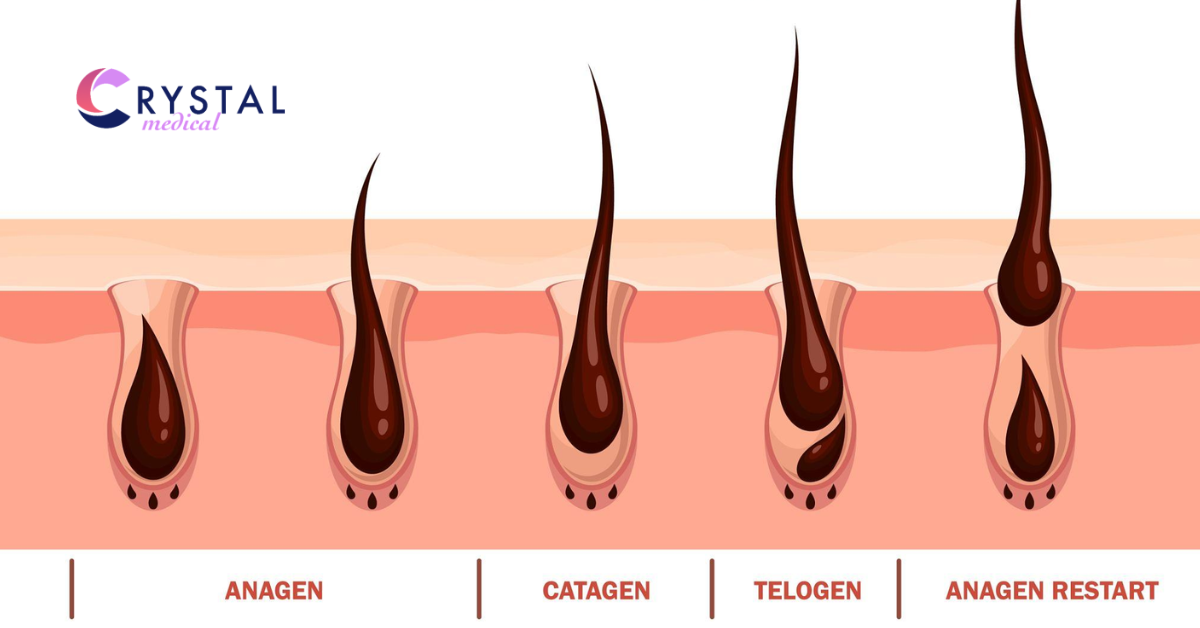
The hair growth cycle describes how hair grows in repeating stages. Instead of growing continuously, each hair follicle moves through phases. At the same time, follicles act independently. As a result, hairs remain in different stages across the treatment area.
The Three Phases of the Cycle
1. Anagen Phase (Active Growth)
During this phase, hair actively grows. In addition, the follicle contains high levels of melanin.
- Hair grows continuously
- The root stays fully connected
- Melanin concentration remains high
👉 Why it matters:
Because the laser targets melanin, this phase delivers the best results. As a result, the laser can effectively damage the follicle and slow future growth.
2. Catagen Phase (Transition)
Next, the hair enters the catagen phase. At this stage, growth slows and the follicle shrinks.
- The follicle reduces in size
- The hair starts to detach
- Melanin levels drop
👉 Why it matters:
Since the hair no longer connects fully to the follicle, the laser becomes less effective. Therefore, treatments during this phase bring limited results.
3. Telogen Phase (Resting)
Finally, the hair reaches the resting stage. Here, growth stops completely.
- The follicle stays inactive
- The hair prepares to shed
- A new hair will replace it later
👉 Why it matters:
At this point, the laser cannot target the follicle effectively. Consequently, treatment has minimal impact.
How the Cycle Affects Laser Hair Removal Results
Now, here is the key point: not all hairs stay in the same phase at the same time.
In fact:
- Only 10–30% of hair stays in the anagen phase
- Meanwhile, the rest remains in catagen or telogen
Therefore, clinics must plan multiple sessions. Over time, this approach allows the laser to target hairs as they enter the active phase.
How Candela Technology Supports Better Results
Advanced systems from Candela help clinics improve precision and consistency.
Key advantages:
- Precise targeting of melanin during the right stage of the hair growth cycle
- Consistent energy delivery across sessions
- Built-in Dynamic Cooling Device™ (DCD™) for comfort
- Safe treatment across multiple skin types
As a result, clinics can deliver more reliable outcomes and better patient experiences.
Setting Realistic Expectations
Clear communication plays a major role in patient satisfaction. Therefore, clinics should explain the hair growth cycle from the beginning.
Patients should understand that:
- Results appear gradually, not instantly
- Multiple sessions remain necessary
- Timing directly affects success
When patients understand the cycle, they trust the process more. In addition, they are more likely to complete the full treatment plan.
Why the Hair Growth Cycle Matters for Clinics
Education does more than explain the science. It also improves business results.
When clinics explain the hair growth cycle clearly:
- They build stronger trust
- They reduce missed sessions
- They improve long-term results
- They increase retention
As a result, both the clinic and the patient benefit.
Final Thoughts
The hair growth cycle plays a key role in laser hair removal success. Therefore, clinics must focus on timing, consistency, and technology.
At Crystal Medical, we support clinics across Cyprus with advanced solutions from Candela. In addition, we help professionals understand how to use the hair growth cycle to achieve better results.