

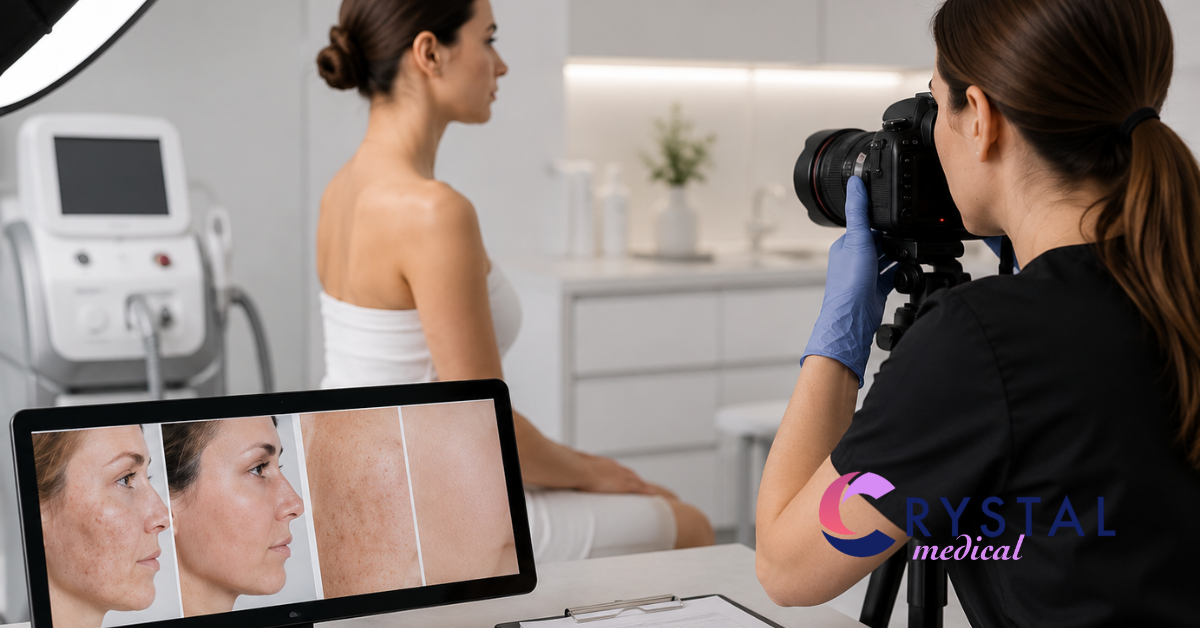
The Importance of Before and After Photos: How to Capture Quality Results
Why Before and After Photos Matter in Aesthetic Treatments
Before and after photos play a crucial role in the aesthetic industry. They help clinics document treatment outcomes, track patient progress, and demonstrate the effectiveness of procedures to both existing and prospective clients.
For clinics offering laser hair removal, skin rejuvenation, pigmentation treatments, tattoo removal, or other aesthetic procedures, high-quality photographs provide visual evidence of results that can build trust and support treatment recommendations.
However, inconsistent photos can make even excellent results difficult to see. Proper lighting, positioning, timing, and camera settings are essential for creating accurate comparisons.
The Benefits of Consistent Treatment Photography
High-quality before and after images offer several advantages:
- Document treatment progress accurately.
- Help practitioners evaluate results objectively.
- Improve patient communication and expectations.
- Support clinic marketing and educational materials.
- Build credibility through authentic treatment outcomes.
When captured correctly, these images become a valuable part of both patient records and clinic growth strategies.
Lighting: The Foundation of Accurate Results
Lighting is one of the most important factors when capturing treatment photos.
Different lighting conditions can dramatically alter the appearance of skin texture, pigmentation, redness, and hair density. Even small changes in brightness or shadows can create misleading comparisons.
Best Practices for Lighting
- Use consistent lighting for every session.
- Avoid direct sunlight.
- Use soft, even illumination whenever possible.
- Eliminate harsh shadows.
- Keep the same lighting setup for all follow-up photographs.
Many clinics designate a specific area for photography to ensure consistency throughout the treatment journey.
Maintain Consistent Angles and Positioning
Even significant treatment improvements can appear less noticeable if photos are taken from different angles.
Patients should be positioned in the same way during every photography session.
Tips for Consistency
- Use fixed standing or sitting positions.
- Keep the camera at the same height.
- Maintain the same distance from the patient.
- Capture identical views each time.
- Use floor markers if necessary.
For facial treatments, front, left-side, and right-side images are commonly recommended to provide a complete view of the results.
Timing Is Critical
The timing of photographs can significantly impact how results appear.
Immediately after certain treatments, temporary redness, swelling, or irritation may be present. These normal post-treatment effects can influence how the skin looks in photographs.
Recommended Timing
- Take baseline photos before the first treatment.
- Capture progress photos at scheduled intervals.
- Follow treatment-specific recommendations.
- Wait until temporary redness or swelling has subsided when appropriate.
- Document final results after the recommended treatment series.
Consistent timing helps create fair and meaningful comparisons.
Keep Camera Settings Consistent
Modern smartphones and professional cameras can produce excellent images, but consistency is essential.
Avoid changing camera settings between sessions whenever possible.
Photography Guidelines
- Use the same camera or device.
- Avoid beauty filters and image enhancements.
- Disable portrait effects that alter skin texture.
- Keep zoom levels consistent.
- Use high-resolution image settings.
Authentic, unedited photos provide the most reliable representation of treatment outcomes.
Background and Environment Matter
A clean, neutral background helps keep attention focused on the treatment area.
Busy environments, changing backgrounds, or distracting objects can reduce the effectiveness of comparison photos.
Consider using:
- Plain white, gray, or neutral-colored walls.
- Consistent room setup.
- Minimal distractions.
- Standardized photography stations.
Many successful clinics create dedicated photo areas specifically for patient documentation.
Respect Patient Privacy
Before and after photography should always follow local regulations and privacy requirements.
Patients should understand how their photos will be stored and whether they may be used for educational or marketing purposes.
Always obtain appropriate consent before publishing any patient images.
Supporting Professional Treatment Documentation
High-quality photography complements the advanced technologies used in modern aesthetic clinics.
Whether documenting laser hair removal, skin rejuvenation, pigmentation correction, or tattoo removal treatments, consistent photography allows practitioners to monitor progress and showcase genuine results with confidence.
Accurate visual documentation helps clinics maintain professional standards while providing patients with a clear picture of their treatment journey.
Final Thoughts
Exceptional treatment results deserve exceptional documentation. By following consistent photography practices for lighting, positioning, timing, and camera settings, clinics can create reliable before and after comparisons that accurately reflect patient outcomes.
Quality photographs not only support treatment evaluation but also help build trust, transparency, and confidence in the services your clinic provides.
At Crystal Medical, we support aesthetic professionals across Cyprus with advanced Candela laser technologies, technical expertise, and ongoing guidance to help clinics deliver outstanding patient experiences. Combined with proper treatment documentation, high-quality equipment can help practitioners showcase results more effectively and demonstrate the value of their services with confidence.